
Tag Archives: Old School RuneScape

OSRS Guide:Why Fletching Is Worth Your Time

In the world of Old School RuneScape, players are constantly leveling up skills to become more powerful, efficient, and self-sufficient. While combat and resource-gathering skills often take the spotlight, Fletching remains an underrated yet incredibly valuable skill—especially for those who favor ranged combat.

Whether you’re preparing for battle, looking for ways to make gold, or want a skill that you can train while doing other things, Fletching has a lot to offer. Let’s break down why you should be investing time into this versatile and rewarding skill.

1.Craft Your Own Ammunition

    If you’re a ranged player, running out of ammo during a fight is a disaster. With Fletching, that never has to happen. It lets you create your own ammunition on demand, ensuring you’re always stocked up for PvM, PvP, Slayer, or questing.

    Ammo You Can Create:

    Arrows – From bronze to rune, each tier suits a different stage of your journey.

    Bolts – Ideal for crossbow users; they can also be enchanted for special effects.

    Throwing Weapons – Javelins, darts, and knives are great for specialized training or combat situations.

    With full control over your gear, you can tailor your inventory to match your exact combat needs—no need to rely on overpriced Grand Exchange listings.Fast, secure, reliable – RSgoldfast delivers the OSRS gold you need, when you need it!

    2.Profit Potential: Make Money with Fletching

      Beyond its utility, Fletching is a reliable moneymaker. The demand for arrows, bolts, and bows never dies down, which means consistent opportunities for profit at any level.

      Money-Making Methods:

      Sell Arrows & Bolts – Higher-tier ammo like rune or adamant sells fast and often at a premium.

      Headless Arrows – Simple to make with arrow shafts and feathers, and a solid way to earn quick gold while gaining XP.

      Craft Enchanted Bolts – Combine high-level Fletching with Magic to produce powerful bolts for PvM or PvP.

      Profit While Training – Turning logs into bows or fletching darts can provide solid returns if you time the market right.

      Whether you’re a casual merchant or a high-efficiency flipper, Fletching gives you flexible, low-risk paths to build your bank.

      3.Perfect for Multitasking

        Fletching is one of the most AFK-friendly skills in the game. Many methods require minimal input, letting you train it while engaging in other activities both in-game and IRL.

        Great Activities to Combine with Fletching:

        Agility – Fletch arrows between laps for double XP gains.

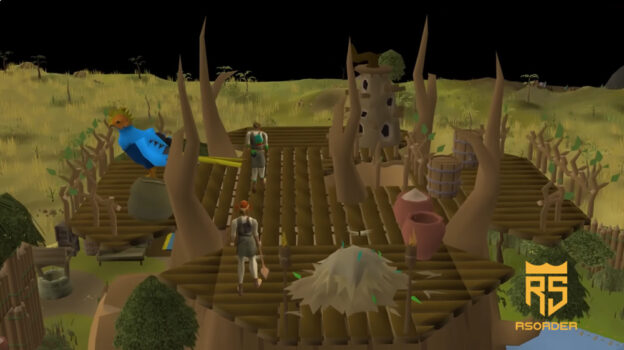
        Farming – Craft bows or bolts while waiting for crops to grow.

        Questing – During travel or dialog-heavy sections, keep your XP ticking up.

        Combat Prep – Fletch darts or arrows while gearing up or waiting for team members in group content.

        This passive training nature makes Fletching ideal for maximizing your time and efficiency in Gielinor.

        4.Scales With You

          No matter your level, Fletching remains useful. New players can quickly hit milestones, while veterans can unlock high-tier gear and profit opportunities.

          Level Highlights:

          Levels 1–30 – Quick gains with arrow shafts and shortbows.

          30–70 – Craft longbows or start on bolts for better profits.

          70+ – Magic bows, rune arrows, and amethyst darts become accessible—offering both high XP and big profit potential.

          Unlike some skills that fall off in usefulness, Fletching continues to scale with your needs.

          Whether you’re training combat, preparing for PvP, or just looking to fatten your coin pouch, Fletching delivers. It’s flexible, profitable, and doesn’t demand your full attention—making it one of the most underrated yet rewarding skills in OSRS.Get cheap Runescape gold now at RSgoldfast and level up your game! Fast, secure, reliable – join thousands of satisfied players!

          So the next time you’re looking to train something productive, consider grabbing a knife, some logs, and a stack of feathers. Fletching just might become your new favorite grind in Gielinor.

          OSRS Prayer Training: Efficient Big Bones Collection in the Boneyard

          Training Prayer in Old School RuneScape can be a time-consuming process, but with the right approach, you can optimize your experience gain significantly. One of the most efficient methods for collecting Big Bones is utilizing the Boneyard, a location in the Wilderness just north of Varrock. This method allows players to gather and bury bones without the need for combat, making it ideal for those looking to train Prayer with minimal risk. Here’s a step-by-step guide on how to maximize your efficiency while collecting Big Bones at the Boneyard.

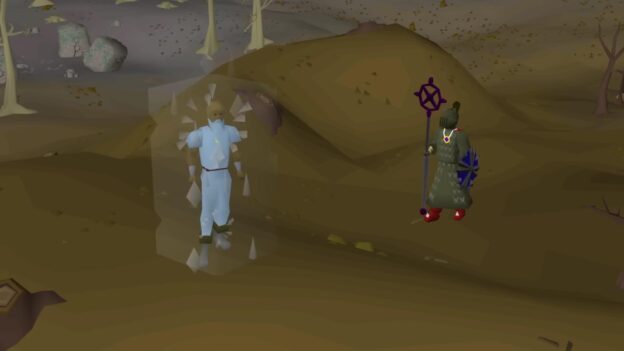
          The Boneyard is a unique area in OSRS where bones, including Big Bones, naturally spawn in piles. Unlike other methods of acquiring bones, such as monster drops or purchasing from the Grand Exchange, this location allows for passive collection without fighting. However, as the Boneyard is located in the Wilderness, players should remain cautious of potential player-versus-player (PvP) encounters.

          Preparation for Bone Collection

          Before heading to the Boneyard, ensure you have the right setup to maximize your efficiency:

          1.Keep Your Weight Low

            Running is essential for quickly moving between bone piles and avoiding threats. Keep your inventory light by wearing minimal gear or weight-reducing equipment like the Graceful outfit.

            Avoid carrying unnecessary items that might slow you down or make you a target for player-killers (PKers).RSgoldfast is your go-to source for OSRS gold!

            2.Manage Skeleton Aggression

              When you first arrive at the Boneyard, nearby skeletons will be aggressive.

              After approximately 10 minutes, their aggression will cease if you remain in the same area. If you move to a different section of the Boneyard, the aggression timer resets.

              To avoid unnecessary combat, try to stay within a specific region once the skeletons become passive.

              3.Bring an Emergency Escape Method

                The Wilderness is unpredictable, so having a teleportation item (such as a glory amulet or ring of wealth) can be a lifesaver if you encounter hostile players.

                If you’re deep enough in the Wilderness that teleportation is restricted, consider bringing a stamina potion for a quick escape.

                Step-by-Step Guide to Collecting Big Bones

                Step 1: Enter the Boneyard Quickly

                Upon arriving, immediately start collecting bones while staying alert to the presence of skeletons and other players.

                Move efficiently between bone piles, prioritizing Big Bones over regular ones for better experience gains.

                Step 2: Utilize the Aggression Timer

                If skeletons are attacking you, move around cautiously while collecting bones.

                Once 10 minutes pass, their aggression will drop, allowing you to loot without distractions.

                Step 3: Efficient Bone Collection

                Focus on picking up as many Big Bones as possible without overfilling your inventory.

                If you find yourself running out of space, bury bones on the spot to gain Prayer experience immediately.

                Step 4: Maximizing XP per Hour

                By continuously collecting and burying bones, you can streamline the process and avoid unnecessary downtime.

                Keep an eye on your Prayer experience gains to measure your efficiency.

                Step 5: Repeat the Process

                Once you’ve buried all your collected bones, move to another section of the Boneyard and repeat the cycle.

                Regularly monitor your surroundings for potential threats, especially from PKers.

                Additional Tips for Long-Term Success

                Make Multiple Trips

                Frequent trips to the Boneyard can help you accumulate substantial Prayer experience over time.

                Consider tracking your bones collected per trip to gauge improvements in efficiency.

                Use Prayer-Boosting Items

                If possible, use a bone crusher (from the Morytania Hard Diary) to automatically bury collected bones for passive XP gains.

                Wearing a Prayer-boosting item, such as a Holy Symbol, can enhance your effectiveness during training sessions.

                Join a Community for Extra Support

                Engaging with an OSRS clan or community can provide valuable tips and insights.

                Some players may offer protection in the Wilderness, allowing for a safer collection process.

                With RSgoldfast you can earn buy RS gold in minutes! Training Prayer through Big Bone collection at the Boneyard is an excellent method for players looking to maximize XP gains with minimal combat involvement. By managing skeleton aggression, keeping weight low for efficient movement, and using strategic collection techniques, you can turn the Boneyard into a reliable training spot. Whether you’re a beginner or an experienced player, this method provides a consistent and rewarding way to enhance your Prayer level.

                This Easy Boss Is INSANE OSRS Gold Right Now

                When most players think of Old School RuneScape (OSRS) bosses, they picture endgame encounters like ZGS, Telos, Zook, or Raids. These high-level bosses are known for dropping some of the most lucrative loot in the game, making them the go-to options for seasoned players looking to rake in some serious gold. However, not everyone is ready to face off against these heavyweights just yet. You might be at that mid-tier level, enjoying some PvM (Player versus Monster) content, and looking for a boss that offers great rewards without being impossible to take on.

                What if I told you there’s a boss out there that doesn’t require the best-in-slot gear, has no insane entry requirements, and still provides crazy OSRS gold per hour? Enter Karapack in normal mode. This boss, while not as difficult as its hard-mode counterpart, is currently one of the best mid-tier money-makers in the game.

                Why Is Normal Mode Karapack So Good?

                Many players may dismiss Karapack as just another mid-tier boss, but right now, normal mode Karapack is an absolute gold mine. Here’s why:

                1. Low Difficulty, High Rewards: Karapack on normal mode doesn’t require endgame gear or crazy skills. It’s a relatively simple fight if you’re familiar with boss mechanics, and the loot you get is insane for the level of effort required.
                2. High-Value Common Drops: Even without the rare, high-ticket drops, Karapack dishes out some seriously high-value common items. For example, Manuscripts of Jass are worth around 1.2 million GP, and Dragonkin Bones hover around 15k each. Add in alchables like cannonballs, and you can see why this boss is so lucrative.
                3. Chance for Rare Drops: Karapack’s rare drops, such as the Scripture of Jass (currently worth around 12 million GP), Ged Concentrated Blast Codex, and Carapack Wrist Wraps, aren’t the easiest to come by, but they certainly increase your profit margin when you do get them. On average, you can expect to see these rarer drops once every 20 to 30 kills, which isn’t too bad considering the low kill times in normal mode.
                4. Triple Loot Piles: Every time you kill Karapack solo, you’ll receive three loot piles. This increases the likelihood of getting something valuable from the kill. That’s three chances to get something useful from the boss on every kill, not just one.

                Gear Requirements and Setup

                Karapack can be tackled with a variety of gear setups, but there are a few things you’ll want to focus on to maximize your kills per hour and overall efficiency.

                1. Gear Level: While Karapack isn’t a super high-level boss, it’s still beneficial to have at least tier 70 to 80 gear if you’re using necromancy. If you’re using something else, aim for tier 85-90 gear, as lower-tier setups tend to struggle.

                • Necromancy: This is arguably one of the best options for mid-tier PvM. With access to necromancy, you can comfortably take on Karapack with tier 70 or 80 gear. If you’re still new to PvM, this is your entry point into more advanced combat.

                • Magic: If you’re using a magic setup (and let’s face it, magic is kinda terrible right now), I’d recommend at least tier 90 gear for decent performance. You could even use un-parked gear if you’re just testing the waters like I did in my video.

                • Overloads: One key tip is to always use overloads. If you don’t have access to them yet, that’s fine. But it’s worth investing in overloads for your kills, as they’ll significantly boost your DPS (damage per second) and make the fights smoother. If you’re not quite ready for overloads, you might want to consider grinding out lower-tier content, such as God Wars Dungeon or lower-level bosses to fund your gear upgrades.
                • Boosting DPS: Bringing along vulnerability bombs, DPS AA, and similar damage-boosting items is a good idea for speeding up your kill times. The faster you kill Karapack, the more loot you can generate per hour.

                What to Expect From Loot

                I decided to spend a couple of hours at Karapack on my alt OSRS Accounts, using un-parked gear (no crazy perks), tier 90 magic weapons, and averaging about a 3-minute kill time. Here’s what I made in just two hours:

                • Average Kills per Hour: With my 3-minute kill time, I managed about 16-17 kills per hour. Keep in mind that if you’re faster than me, your loot per hour will be even higher.
                • Loot From 2 Hours: I made around 30 million GP from the common drops alone. That’s just from Manuscripts of Jass, Dragonkin Bones, and alchables. Factor in my two Scriptures of Jass (worth 12 million GP each), and that brings my total to about 52 million GP over the two hours. This means I made an average of 26 million GP per hour.

                Even without the rare drops, you’re still looking at around 20 to 22 million GP per hour, which is phenomenal for a mid-tier boss. If you’re on a faster kill time or have better gear, you could easily make between 25 and 30 million GP per hour.

                Tips for Karapack Normal Mode

                While Karapack isn’t incredibly difficult, there are a few mechanics that you’ll want to be aware of:

                1. First Mechanic (Underneath Karapack): When Karapack does his staff slam attack, position yourself underneath him. This will nullify the attack, making the phase much easier to manage.
                2. Second Mechanic (Escape vs Surge): When Karapack teleports to a different location, instead of using Surge, use Escape to stay in range. This keeps you from having to run back to him and lets you keep attacking during the mechanic.
                3. Time Warp for Damage Boost: Use Time Warp to reset powerful abilities like Sunshine or Death Swiftness. You can use these twice in the final phase to maximize damage. I recommend popping Devotion during this phase to minimize damage taken while you pile on the damage to Karapack.
                4. Loot Upgrades (Ring of the Gods): If you haven’t already, make sure to upgrade your Ring of the Gods. This ring boosts your drop rate for rare items and gives you access to tier 3 chests, which increases your chance of getting some of the rarest drops, like Perix Quiver Fragments and the Scripture of Jass.

                Final Thoughts

                Karapack in normal mode is an insane gold-making opportunity for mid-level players. The low difficulty, high-value common drops, and chance at rare items make it a go-to boss for those looking to fund gear upgrades or work their way up the PvM ladder. Whether you’re just starting in PvM or looking for a consistent GP source, Karapack is a fantastic option.

                If you’re looking to make bank in OSRS without dealing with high-end bosses like ZGS or Telos, give Karapack a try. With consistent GP per hour and the potential for exciting rare drops, this boss is an absolute gold mine.

                Good luck with your kills and may the Scriptures of Jass drop in your favor!

                Maximizing Profits in Old School RuneScape: Gold Making Strategies

                In Old School RuneScape (OSRS), fluctuating Grand Exchange (GE) prices can make it challenging to determine whether an item’s value will rise or fall. For many players, this uncertainty makes it difficult to capitalize on profitable opportunities. Fortunately, RuneLite offers a solution with its up-to-date price tracking feature, which provides real-time insights into item prices. This article will explore how you can use RuneLite to enhance your OSRS gold making strategies, highlighting effective methods and showcasing how to maximize your profits.

                The Power of RuneLite’s Real-Time Price Tracking

                Traditionally, players have relied on the median price of items, which updates only once per day. This can lead to discrepancies between the median price and the current market value of an item on the GE. RuneLite’s new feature changes the game by showing you the recent trade prices of items, allowing you to make informed decisions about buying and selling.

                With this feature, you can determine the exact profit margins of various money-making methods before investing any resources. This proactive approach ensures that you can avoid potential losses and focus on methods that offer the highest returns. Let’s dive into some of the most effective strategies you can employ with this feature.

                1. Crushing Items for Profit

                One well-known but highly effective method is using Wesley’s crushing service. Wesley can crush any item for 50 GP each, including noted items. To profit from this method, compare the current sale price of the item with its crushed price. If the difference exceeds 50 GP, you stand to make a profit.

                For example, you might find a stack of items that sell for 60 GP each when crushed but only costs 50 GP to crush. Buying these items, crushing them, and then selling them on the GE can yield significant profits. Players report selling around one million crushed nests daily, making this method incredibly viable for high-volume flipping.

                2. Creating and Selling Item Sets

                If you’re a free-to-play (F2P) player, item sets offer another lucrative opportunity. By purchasing individual items from a set while they are crashing in price, you can assemble the set and sell it at a higher price. This is especially profitable when item prices drop faster than the set prices.

                For instance, if the components of a set are decreasing in price, but the set price remains stable or lags behind, buying the individual items and creating the set can yield substantial profits. The OSRS wiki provides a comprehensive list of item sets you can create and sell for profit.

                3. Crafting Light and Heavy Ballistas

                Crafting ballistas from their parts is another profitable method, albeit with some requirements. You gain significant fletching experience while making these items. When tested, one of these items was found to have a price drop, allowing for nearly 80k GP profit per ballista.

                The requirements include having some level of fletching skill, but the experience and profit margins make it worth considering. Ensure you use RuneLite’s price tracking to stay updated on market trends and adjust your crafting strategy accordingly.

                4. Repairing Barrows Armor

                Repairing Barrows armor can be profitable, especially when the price of damaged items falls significantly. You can repair Barrows items at Bob’s Repair Shop in Lumbridge, but for a reduced cost, you can use an armor stand in a player-owned house. The more you use the stand, the lower the repair cost becomes.

                With 50 Smithing, you pay 25% less to repair, and with 99 Smithing, you pay almost 50% less. Using this method, you can make around 100k GP in a few minutes by capitalizing on price fluctuations.

                5. Trading Master Scroll Books

                Master Scroll Books can be bought on the GE and traded with Watson for 10 to 20 teleport scrolls. The average yield is about 15 scrolls per book. If the total value of the scrolls exceeds the cost of the book, this method becomes profitable.

                Although this method involves a small degree of RNG, the potential profits can be significant if you hit the higher end of the scroll yield. This method is particularly useful for those looking to make money with minimal effort.

                6. Making Boots from Cerberus Crystals

                Crystals obtained from Cerberus can be used to make Primordial, Pagasian, or Eternal boots. By combining these crystals with Dragon, Infinity, or Ranger boots, you can produce high-value items.

                The market for these boots can be volatile, with crystals often lagging in price changes. By staying informed about current prices with RuneLite, you can exploit these discrepancies to maximize your profits.

                7. Converting Blade of Saldor to Bow

                The Blade of Saldor can be reverted to seed and then transformed into a bow, with significant profit potential. When the blade was less than 100 million GP and the bow started over 300 million GP, players could have made billions by converting them.

                To get the shards needed for this conversion, buying an Enchanted Teleport Crystal and trading it with Armord for 150 shards each is the most cost-effective approach. Keep an eye on market fluctuations and calculate carefully to avoid losses.

                8. Assembling God Swords

                Creating God Swords or even just assembling the blade from God Sword Shards 1, 2, or 3 can be profitable. The blade typically costs around 500k GP, and the hilt can be much cheaper, providing an easy profit when combined.

                Similarly, crafting high-level jewelry using Zenite or Onyx gems can be lucrative. Monitoring the prices of raw materials versus finished items allows you to produce and sell high-value jewelry at a reduced cost.

                9. High Alchemy and Item Flipping

                High Alchemy is another powerful method, especially when you use RuneLite’s latest price updates. By alchemizing items like Rune Warhammers, you can make substantial profits. For instance, alchemizing Rune Warhammers can yield around 1,000 GP per item, resulting in significant hourly profits and Magic experience.

                Additionally, converting items like Giant Egg Sacs into Red Spider Eggs and Zamarak Spears into Hastas can also be profitable. These methods require minimal effort and offer a good return on investment.

                10. Decanting Potions for Profit

                Potions come in various doses, and by buying the cheapest variant and converting it to a higher-dose version, you can sell them at a premium. Using Bob’s Decanter to convert potions ensures that you get a higher price for your products. This method is particularly effective when training skills that require AFK activities.

                Conclusion

                RuneLite’s real-time price tracking feature has revolutionized the way OSRS players approach money-making. By leveraging up-to-date price information, players can exploit market fluctuations and maximize their profits with various methods. From crushing RuneScape items to creating high-value gear and flipping potions, these strategies offer diverse opportunities to boost your in-game wealth.

                Experiment with these methods, stay updated on market trends, and use RuneLite’s features to stay ahead of the competition. With these insights, you’ll be well-equipped to turn your OSRS investments into substantial profits. Happy money-making!