
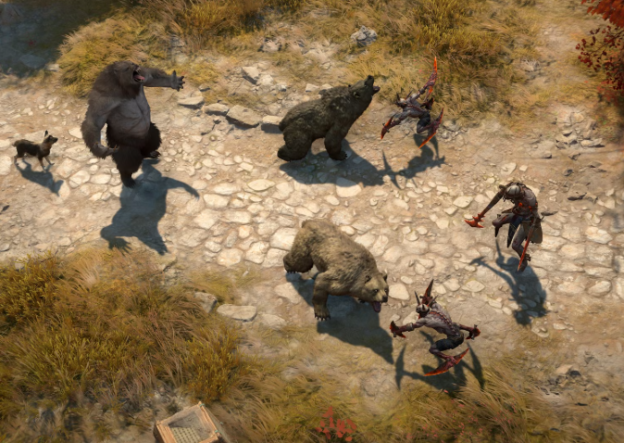
Tag Archives: Diablo 4 Items

Diablo 4 Lord of Hatred Update Makes Glynn’s Anvil One of the Most Overpowered Aspects in the Game

The latest Diablo 4: Lord of Hatred update has dramatically changed the endgame meta, and one defensive Aspect is now dominating discussions across the community. An aspect of Glynn’s Anvil, once considered underwhelming due to a bug, has suddenly become one of the strongest defensive tools available after Blizzard fixed its Damage Reduction scaling interaction.

What is the aspect of Glynn’s Anvil?

Aspect of Glynn’s Anvil is a defensive Legendary Aspect introduced with Diablo 4: Lord of Hatred. The Aspect scales Damage Reduction based on Resolve stacks, a defensive mechanic that several classes can utilize through skills, tempers, glyphs, and gear interactions.

Before the latest update, the Aspect was bugged and failed to properly apply its intended defensive bonuses. Blizzard officially fixed the issue in Patch 3.0.2, causing the Aspect to suddenly function correctly for the first time.

According to recent reports, the Aspect now grants approximately 3-4% Damage Reduction per Resolve stack, depending on roll quality.

That scaling becomes absurdly powerful once players begin stacking high amounts of Resolve through optimized gear.

Why Glynn’s Anvil Is Suddenly So Overpowered

The problem is simple: Resolve stacking scales far beyond what many players expected.

By combining Aspect of Glynn’s Anvil with high Resolve tempers, some players are reaching toughness values in the tens of millions. Several community reports describe characters becoming effectively unkillable in Torment 12 and high Pit content.

One Reddit player reported increasing combat toughness from 9 million to over 52 million simply by using the fixed Aspect alongside Resolve stacking.

Another player described reaching more than 90% effective Damage Reduction through Resolve interactions.

This has caused many players to completely rethink how they approach endgame Diablo 4 Items and defensive scaling.

Which Classes Can Use Glynn’s Anvil?

One of the biggest reasons the Aspect has become so dominant is its accessibility.

Current reports confirm that the Aspect of Glynn’s Anvil can be used by:

·Barbarian

·Druid

·Necromancer

·Paladin

·Rogue

·Spiritborn

Only Sorcerer and Warlock are currently unable to equip the Aspect.

Because Resolve interactions exist across multiple class systems, nearly every eligible class can take advantage of the defensive scaling.

This flexibility has made Glynn’s Anvil one of the most influential Diablo 4 item interactions in Season 13.

Best Builds Using Glynn’s Anvil

Several builds are already abusing the Aspect’s current scaling.

Paladin Resolve Builds

Paladin naturally synergizes with Resolve mechanics, making Glynn’s Anvil especially powerful for defensive Paladin setups.

Players stacking Fortress bonuses and Resolve glyphs can become nearly impossible to kill in endgame content.

Druid Ursine Builds

Druid players are also heavily benefiting from the interaction between Glynn’s Anvil and Ursine mechanics.

Community discussions specifically mention synergy between Resolve stacking and the Might of the Ursine ring power.

Spiritborn Resolve Scaling

Spiritborn builds appear to gain massive offensive and defensive scaling from Resolve stacking interactions.

Several players believe Spiritborn currently benefits the most from the interaction because Resolve scaling boosts both survivability and damage multipliers simultaneously.

Players farming high-end content are now prioritizing:

·Greater Affix gear

·Resolve tempers

·Defensive Legendary Aspects

·Masterworking upgrades

·Horadric Cube crafting

Horadric Cube and Crafting Synergy

The Lord of Hatred expansion has also introduced massive crafting changes through the Horadric Cube system.

Many players are now using the Cube to optimize Diablo 4 Items specifically for Resolve stacking setups.

Popular crafting goals include:

·Greater Affix armor pieces

·Resolve tempers

·Defensive rerolls

·Damage Reduction optimization

·Barrier and armor scaling

Because crafting costs can become extremely expensive, many players also choose to buy Diablo IV gold to speed up Masterworking, enchanting, and Horadric Cube upgrades.

Gold has become increasingly important in Season 13 due to the complexity of endgame crafting systems and item optimization.

Will Blizzard Nerf Glynn’s Anvil?

At this point, many players expect some form of balance adjustment.

Community discussions consistently suggest the interaction currently scales beyond Blizzard’s original intentions.

Potential future nerfs could include:

·Resolve stack caps

·Reduced Damage Reduction scaling

·Changes to temper values

·Multiplicative scaling adjustments

However, until Blizzard releases another major patch, Glynn’s Anvil remains one of the strongest defensive options in Diablo 4.

Final Thoughts

Aspect of Glynn’s Anvil has rapidly transformed from a broken, ignored Aspect into one of the most overpowered defensive mechanics in Diablo 4: Lord of Hatred. Thanks to Blizzard’s recent bug fix, Resolve stacking builds can now achieve absurd survivability levels while maintaining strong offensive potential.
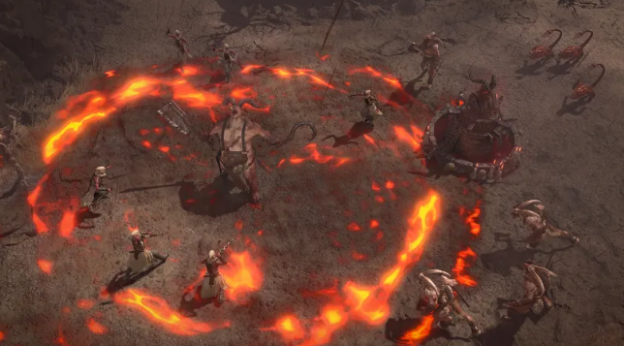
Diablo 4 Season of Slaughter Release Date and Details – Diablo 4 Guide

Blizzard Entertainment has officially unveiled details for Diablo 4’s Season 12, titled the Season of Slaughter. As a transitional season leading up to the highly anticipated Lord of Hatred expansion, it promises fast-paced action, new mechanics, and exclusive rewards-all designed to keep players engaged while building excitement for the upcoming content drop. Whether you’re a seasoned veteran or a new adventurer in Sanctuary, this guide breaks down everything you need to know about the Season of Slaughter, from its release date to its core features. This will help you obtain Diablo 4 Items and other rewards more easily in the game.

Diablo 4 Season of Slaughter Release Date & Launch Times

The Season of Slaughter is set to launch on Thursday, March 11, 2026, with a global rollout timed to accommodate different regions. Blizzard has confirmed the following launch times based on standard patch cadence:

10:00 AM PDT (Pacific Daylight Time)

1:00 PM EDT (Eastern Daylight Time)

6:00 PM BST (British Summer Time)

7:00 PM CEST (Central European Summer Time)

3:00 AM AEST (Australian Eastern Standard Time, March 12)

Notably, this season will be shorter than Diablo 4’s typical three-month cycle. Launching just one month before the Lord of Hatred expansion (set for April 28, 2026), it is designed as a focused, streamlined experience to bridge the gap between current content and the upcoming expansion. Players can pre-download the 2.6.0 patch starting March 9, 2026, to ensure a smooth launch day experience.

Core Feature: The Killstreak System

The centerpiece of the Season of Slaughter is the new Killstreak System, which rewards players for maintaining relentless combat momentum. This system, reminiscent of mechanics from Diablo 3, encourages non-stop slaughter and punishes hesitation.

Killstreaks activate after defeating 15 enemies in quick succession, and they progress through five distinct tiers: Killstreak, Carnage, Devastation, Bloodbath, and Massacre. Each tier unlocks increasingly powerful bonuses, including increased attack speed, cooldown reduction,Critical hit  chance, and movement speed-all of which have been buffed from the Public Test Realm (PTR) to enhance the gameplay experience.

A key detail: the killstreak timer constantly ticks down, but it resets with every direct damage hit or kill. If the timer expires, players earn experience and seasonal reputation based on their final tier. However, dying mid-streak resets all progress and rewards, adding a high-risk, high-reward dynamic to every battle.

New Gear: Bloodied Items & Bloodied Sigils

The Season of Slaughter introduces a new gear category: Bloodied Items. These unique pieces scale in power based on your current killstreak tier, making them some of the most potent gear in the season. Any droppable item can appear as a Bloodied Item, and each features one of three exclusive affixes:

– Rampage (Armor): Boosts mobility and defensive stats, scaling with killstreak tier.

– Feast (Weapons): Enhances combat effects, scaling with the total number of kills in your streak.

– Hunger (Jewelry): Improves resource management and damage output, tied to killstreak tier.

Complementing Bloodied Items are Bloodied Sigils, which increase the difficulty of Nightmare Dungeons, Helltides, and other activities in exchange for better rewards. Using a Bloodied Sigil turns you from hunter to hunted-even the Butcher will stalk you relentlessly, respawning immediately after being defeated to test your killstreak endurance.

Play as the Butcher: A Diablo First

For the first time in Diablo history, players can temporarily transform into the Butcher-one of the franchise’s most iconic and feared adversaries. This transformation is unlocked by completing the seasonal questline “A Taste of Power,” which begins in Gea Kul on the seasonal realm.

When transformed, your skill bar is replaced with brutal Butcher abilities, including cleaving attacks that tear through enemy groups, charge strikes to rush into battle, and hook abilities to drag prey into melee range. The goal while in Butcher form is to earn “Fresh Meat,” a seasonal resource used to unlock additional rewards.

Transformations can also occur in special activities: using “Meaty Offerings” at Shrines of Slaughter during Helltides, or claiming the Butcher’s Idol in the Fields of Hatred PvP event (dubbed the “Ceremony of Slaughter”). Additionally, Slaughterhouses-new combat-focused dungeons-let players remain in Butcher form for the entire instance, maximizing killstreak potential.

Quality of Life Updates & Bonus Content

Blizzard has packed the Season of Slaughter with quality of life (QoL) improvements based on player feedback. Most notably, all non-target doors in Nightmare Dungeons now open automatically, eliminating the frustration of manual door-opening and benefiting classes like the Sorceress with teleport abilities.

Other QoL changes include a reduced recall cast time (down to 0.5 seconds) with a higher damage threshold to prevent interruptions, an increased Obol limit, and faster loading screens. The Tower has also been updated with new tilesets, bosses, and balanced enemy counts to improve pacing.

Players can also enjoy a free Paladin trial (up to level 25) from March 12 to March 19, 2026-no Lord of Hatred expansion purchase required. Additionally, a DOOM: The Dark Ages collaboration brings exclusive cosmetics, including a Chainsaw-inspired skin, Cyberdemon trophies, and a “Doom Chest” that drops from Nest Bosses.

Final Notes for Season Preparation

As a transitional season, the Season of Slaughter is designed to be accessible for both new and returning players. Its shorter duration means you can fully experience its content without feeling overwhelmed, while the killstreak system and Butcher transformation add fresh excitement to endgame grinding.

Remember: progress from the Season of Slaughter will not carry over to the Lord of Hatred expansion, but rewards like unique cosmetics and seasonal reputation will remain in your collection. Whether you’re chasing Bloodied Items, mastering the killstreak system, or simply enjoying the thrill of playing as the Butcher, this season offers a brutal, rewarding detour before the next chapter of Diablo 4. Prepare enough cheap D4 materials and gold to welcome the new season!

Mark your calendars, pre-download the patch, and prepare to unleash your rage-Sanctuary’s bloodiest season yet is almost here.

Diablo 4 Season 11: Why the Season of Divine Intervention Is a Major Win

Diablo 4 Season 11, officially titled Season of Divine Intervention, has quickly established itself as one of the most engaging and player-friendly seasons in the game’s lifecycle. Going in, many players-including myself-were uncertain how Blizzard would balance new systems, class additions, and endgame progression. However, after pushing deep into Torment difficulties and spending dozens of hours exploring The Pit, it’s clear that Season 11 delivers meaningful improvements across the board.

From reworked Masterworking to the introduction of powerful seasonal mechanics, this season rewards both experimentation and long-term investment. Whether you’re a veteran refining a min-maxed build or a returning player farming Diablo 4 Items to catch up, Season 11 offers plenty of depth without overwhelming complexity.

The Story of Season 11: Simple, Focused, and Effective

Season 11’s narrative is intentionally streamlined. Hadriel of the High Heavens breaks divine law to warn Sanctuary of an impending Lesser Evil invasion. While angels are forbidden from directly interfering, Hadriel leaves behind a powerful forge designed to help mortals fight back.

Unlike earlier seasons that leaned heavily on lengthy quest chains, Season 11 keeps storytelling concise. There are three core quests: an opening introduction, a progression-focused grind quest, and Call of the Paladin, which unlocks the new class. From there, most of the narrative unfolds organically through seasonal activities, boss encounters, and faction progression.

This approach allows players to focus on gameplay and loot acquisition rather than repetitive dialogue. It’s a welcome shift, especially for those primarily interested in endgame efficiency and farming Diablo 4 Items for multiple characters.

Lesser Evils and the Divine Gifts System

At the heart of Season 11 lies the Divine Gifts system, built around four iconic Lesser Evils. Each boss grants a unique power that can be slotted into a Corrupted Slot and then purified for enhanced rewards.

The Lesser Evils and their associated activities are:

·Duriel – Helltides

·Belial – The Pit

·Azmodan – World Bosses

·Andariel – The Undercity

Purified Slots provide double rewards, while Corrupted Slots introduce trade-offs such as increased enemy difficulty or reduced defenses. This risk-versus-reward design encourages players to tailor their setup depending on their goals-whether that’s speed farming, boss hunting, or pushing high Pit tiers.

Some Divine Gift abilities, like Essence of Hellfire, significantly boost boss key farming efficiency, making them invaluable for players focused on endgame progression.

Familiar Faces, Fresh Encounters

One of the smartest design decisions in Season 11 is how Blizzard reused existing content while making it feel new. Each Lesser Evil replaces or enhances a familiar activity:

·Duriel replaces the Blood Maiden in Helltides

·Belial becomes the dominant presence in The Pit

·Azmodan roams the open world during major events

·Andariel controls the Undercity endgame loop

This rotation keeps the seasonal experience fresh without fragmenting the player base across too many new systems.

Seasonal Mysteries and Community Discovery

Season 11 also introduces one of the most compelling community-driven mysteries Diablo 4 has seen so far. Early on, players discovered scattered altars and Unique Purified Essences with no obvious purpose. Through collaboration and experimentation, the community uncovered a hidden chain leading to Uber versions of the Lesser Evils.

Defeating these secret bosses rewards players with massive loot drops, including high-end Diablo 4 Items. Some players even choose to buy Diablo IV Items to accelerate their builds and prepare for these brutal encounters more efficiently.

This mystery-driven design rewards curiosity and teamwork, making the season feel alive beyond standard farming loops.

The Sanctify System: Masterworking Done Right

Blizzard also addressed one of the biggest pain points from previous seasons: Masterworking RNG. The new Sanctify system allows players to permanently lock a fully Masterworked item using a Heavenly Sigil.

Sanctified gear can gain powerful bonuses such as Mythic Unique effects, additional Legendary affixes, or significantly upgraded stat rolls. While RNG is still involved, the ability to lock progress makes the system far less punishing and more rewarding for dedicated players.

The Paladin Class: A Standout Addition

The introduction of the Paladin is easily one of Season 11’s biggest highlights. Durable, versatile, and incredibly satisfying to play, the Paladin excels in both solo and group content.

Popular builds like Zealadin, Brandish, and Blessed Hammer offer strong damage output while maintaining excellent survivability. Combined with Divine Gifts and Sanctified gear, Paladins scale exceptionally well into Torment and high Pit tiers.

Final Thoughts

Diablo 4 Season 11 strikes an impressive balance between accessibility and depth. The Divine Gifts system, Sanctify mechanics, rotating Lesser Evils, and the Paladin class all work together to create a cohesive and rewarding seasonal experience.

Most importantly, Season 11 feels like Blizzard listening to player feedback-reducing frustration while increasing meaningful choices. With strong endgame systems, exciting mysteries, and excellent class design, the Season of Divine Intervention has reinvigorated Diablo 4 and offers countless hours of engaging gameplay for veterans and newcomers alike.

Diablo 4 Season 9: The Best Gold Farming Route with Horadric Gold Reserve

In Diablo 4, Gold is the backbone of every powerful build. Ironically, it’s also one of the resources you’ll run out of the fastest. Between Tempering, Masterworking, rerolling affixes, and crafting high-end Gems, endgame optimization can cost millions. For many players, even basic build refinement often means spending more Gold than they can reliably farm.

But with the launch of Season 9, that struggle has changed. Thanks to new mechanics tied to Nightmare Dungeons and Horadric Affixes, there’s finally a repeatable, efficient method to farm massive amounts of Gold without relying on trading or RNG-heavy events.

Why Gold Farming Matters in Diablo 4

While Diablo 4 has multiple currencies and crafting resources, Gold is the most universal and unavoidable. It’s required for:

·Tempering items to fine-tune builds

·Masterworking upgrades, which scale to extreme costs at higher ranks

·Imprinting Aspects and rerolling affixes at the Occultist

·Crafting and upgrading Gems for endgame power

·Respecting skill trees or Paragon boards

By the time you’re pushing into Torment or PvP optimization, you’ll need millions. Some players even choose to buy Diablo IV Gold to keep pace – but with Season 9’s new farming system, you can build up wealth directly through gameplay.

Season 9’s Game-Changer: Horadric Affixes

The Horadric Affix system added in Season 9 fundamentally reworks Nightmare Dungeons, providing new modifiers that change not only difficulty but also rewards. Among them, one affix has emerged as the clear winner for resource farming:

Horadric Gold Reserve – The Best Gold Farming Affix

This affix spawns bonus Gold chests throughout the dungeon, and each one can contain tens of thousands of Gold, scaling with both dungeon tier and World Tier. Combined with speed-clearing and Gold Find multipliers, a single dungeon can yield hundreds of thousands of Gold.

Gold Find Affix – The Perfect Pairing

If you manage to roll a Sigil with both Horadric Gold Reserve and Gold Find, you’ve struck farming gold. Gold Find increases every drop by around 30%, which, when multiplied by dungeon chests, yields a turn into S-Tier efficiency.

Escalating Nightmare System = Endless Gold

Another Season 9 addition, the Escalating Nightmare system, allows players to chain Nightmare Dungeons without returning to town. This system keeps your farming momentum going, reduces downtime, and compounds rewards. Combined with Horadric Gold Reserve, it’s by far the most consistent gold-per-hour method in Diablo 4 history.

The Best Gold Farming Setup

Step 1: Target Sigils with Gold Affixes

·Hunt for Nightmare Sigils that roll Horadric Gold Reserve and ideally Gold Find.

·Use the Occultist to craft or reroll Sigils until you get them.

Step 2: Optimize for Speed, Not Difficulty

Gold farming is a time efficiency game. Instead of pushing the hardest content, focus on dungeons you can clear in 4-6 minutes. Prioritize:

·High movement speed

·Strong AoE damage

·Sustain for quick clears

·Enough survivability to stay aggressive

Step 3: Stack Gold Bonuses

Use every multiplier available:

·Gear affixes with +Gold Find

·Elixirs that boost resource drops

·Break barrels, open corpses, and check side rooms – Horadric Gold Reserve increases environmental drops, too.

Bonus Tip: Farm Glyph XP at the Same Time

Because you’re already running Nightmare Dungeons, this farming method also gives you:

·Glyph XP for Paragon progression

·Diablo 4 Items drop for trading or salvaging

·Boss prep resources for late-game content

It’s not just Gold – it’s full-spectrum progression.

Old Gold Farming Methods: Outpaced

Before Season 9, players leaned on:

1. Infernal Hordes – Good for Spoils of Gold chests, but resource-heavy and punishing at higher tiers.

2. Trading Uniques – Selling rare finds could net huge profits, but it required luck, patience, and external platforms.

Both still work, but they don’t compare to the consistency of Horadric Gold Reserve dungeon farming.

Conclusion: The Golden Age of Farming

For the first time since launch, Diablo 4 has a true gold farming meta that feels rewarding and sustainable. By focusing on Nightmare Sigils with Horadric Gold Reserve, stacking Gold bonuses, and clearing efficiently, you can maintain the endless Gold demands of Masterworking and endgame crafting.

Forget flipping Uniques or grinding Infernal Hordes – Season 9’s Golden Nightmare Dungeons are the future of wealth in Sanctuary.

So if your build is ready but your wallet is empty, grab some Sigils, chug an Elixir, and dive in. Sanctuary’s treasure vault is finally open.